You could win £10,000!
Simply download, register and use the Scottish Widows app between 7 July and 31 December 2026. For full details and eligibility, or to opt out, see our terms and conditions.
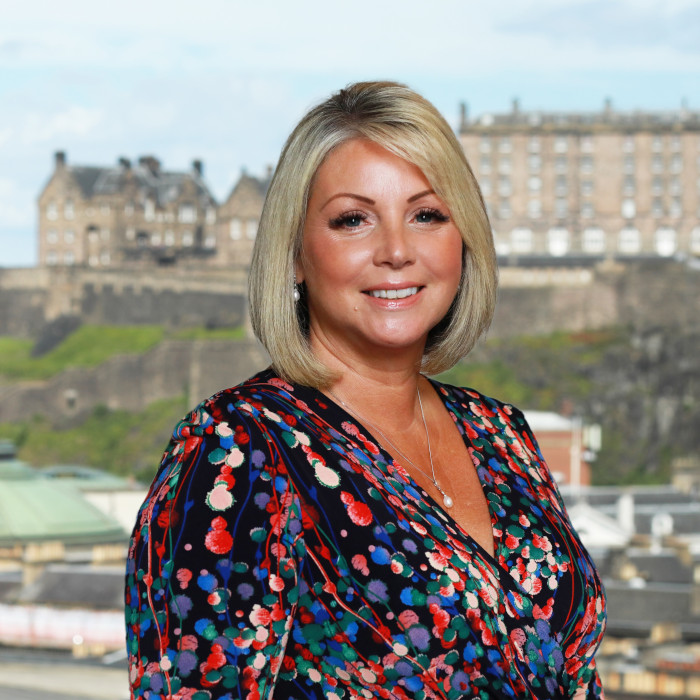
Head of Intermediary Distribution
Nearly a quarter (23%) of UK SMEs would only be able to continue trading for a maximum of one month if they lost a key person within their business, according to Scottish Widows.
New research, conducted by YouGov among 2,019 UK business owners on behalf of Scottish Widows, exposes the extent to which SMEs rely on a small number of people to generate income, service debt, and drive growth. And that reliance leaves those businesses exposed in ways many owners, shareholders and partners either don’t fully understand or are not aware of. The insurer wants to see that knowledge gap bridged and says business owners need to understand where those risks lie and how they can plan for them.
Summary of Scottish Widows research findings:
More than 1.3 million micro and small businesses operate across the UK, Scottish Widows says many of those owners are unaware of how vulnerable their business and, by extension, their family life may be if they or a key member of staff were unable to work for an extended period of time.
To help raise awareness of the issues Scottish Widows has produced an educational guide for business owners, Unprotected: The hidden risks facing small businesses (PDF, 2MB), which covers the business risks and options for mitigating those risks. The insurer hopes the guide will help start some much-needed conversations on the subject.
And it says business owners should be asking themselves how exposed their company would be if a key person could no longer work.
Catherine Trimble, Head of Distribution, Protection at Scottish Widows, says: “When businesses look through their books, it is possible to see both where today’s pressure points lie - and often where tomorrow’s might come from too. Annual accounts reviews, new finance, expansion plans, succession discussions or business valuations can therefore present valuable moments to think about protection. So can signs of pressure, such as an owner carrying too much responsibility. The question is simple: what could derail the business’s plans, and has it planned for it?”
“Are profits or cash flow heavily reliant on one or two people? Does the business have loans or personal guarantees tied to an owner or director? Is there a second-in-command who could step up if the owner had to step back, or would the business grind to a halt? These are not abstract risks.
Revenue can fall, debt repayments can come under pressure, and growth plans can stall. The warning signs may already be visible in the accounts. That gives businesses a natural starting point for thinking about what could happen if those pressures are felt, and whether they have planned for them,” adds Trimble.
Scottish Widows advocates for Business Protection insurance to help provide money when illness, injury or death creates a sudden income gap in the business, whether that means stabilising cash flow, repaying debt, or bringing in temporary support.
The insurer sees the first step as recognising where the businesses have vulnerability and then exploring options for mitigating those risks with a specialist adviser.
Trimble says: “Business owners are used to planning for commercial risks. But the people risks sitting behind the business can be easier to overlook. If protection is needed, a qualified adviser can help explore the right options. Ultimately, based on these findings, too many businesses remain exposed. Business protection cannot remove every commercial risk. But it can help owners plan for the risks that sit behind the business: the people, debt and ownership structures it depends on.”
Notes to editors
Business protection keeps the business running if the worst happens. For example, the right cover can:
Awareness and understanding of the difference between personal and business insurance is low. The educational guide is intended to address that.
Methodology
Online survey conducted in March 2026 by YouGov on behalf of Scottish Widows. 2,019 UK business owners completed the survey. Businesses ranged from being in their first year of trading through to having a turnover of over £1m.
About Scottish Widows
Founded in 1815, Scottish Widows is part of Lloyds Banking Group, the UK’s largest digital bank and financial services group. With £303bn in total assets under administration and more than 6.5 million customers, Scottish Widows’ award-winning product range includes workplace and individual pensions, annuities, life cover, critical illness and income protection, as well as savings and investment products.
Scottish Widows has more than 1.75m digitally registered customers. The Scottish Widows Platform is trusted by financial advisers as the home for the pension and investment assets of more than 170k clients.